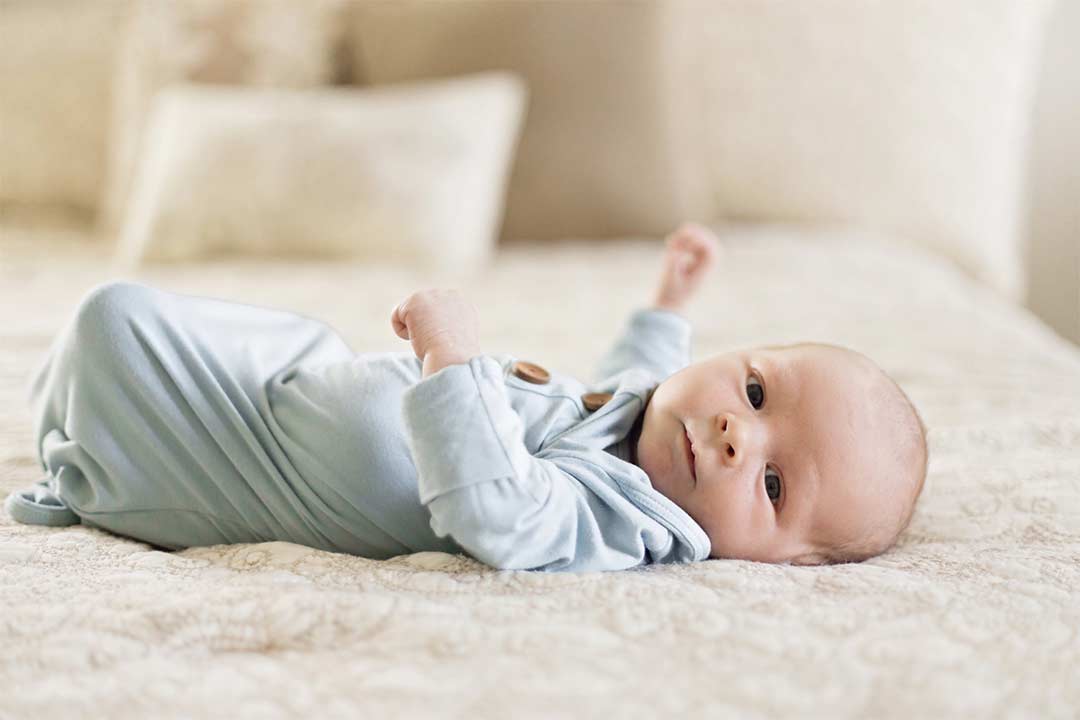
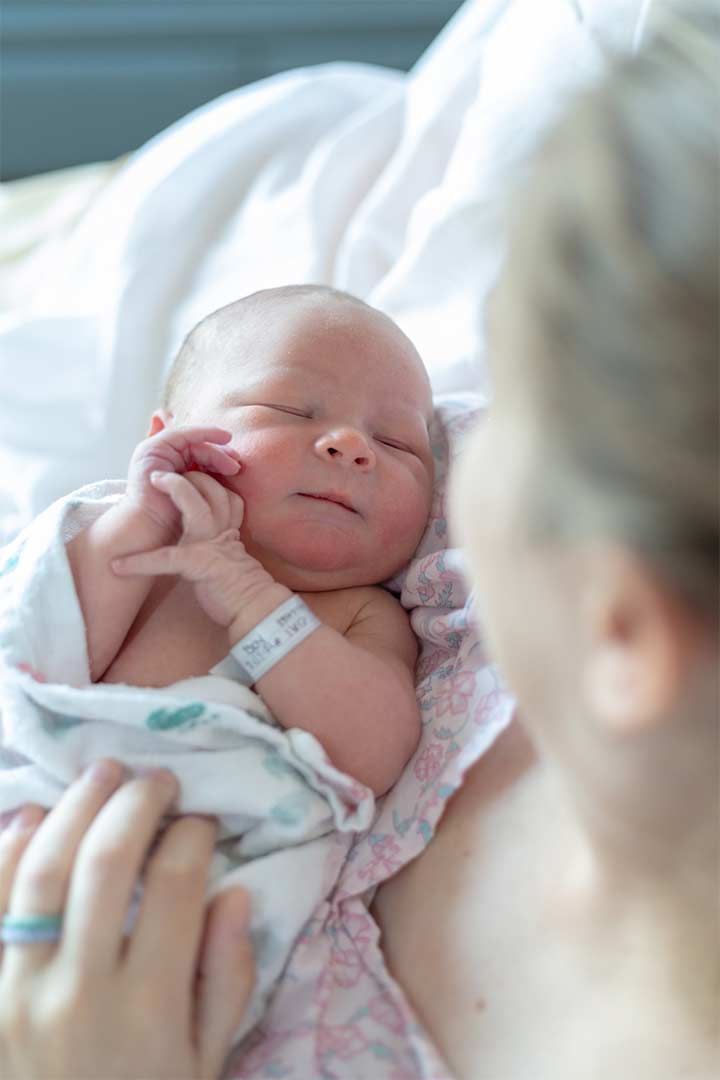
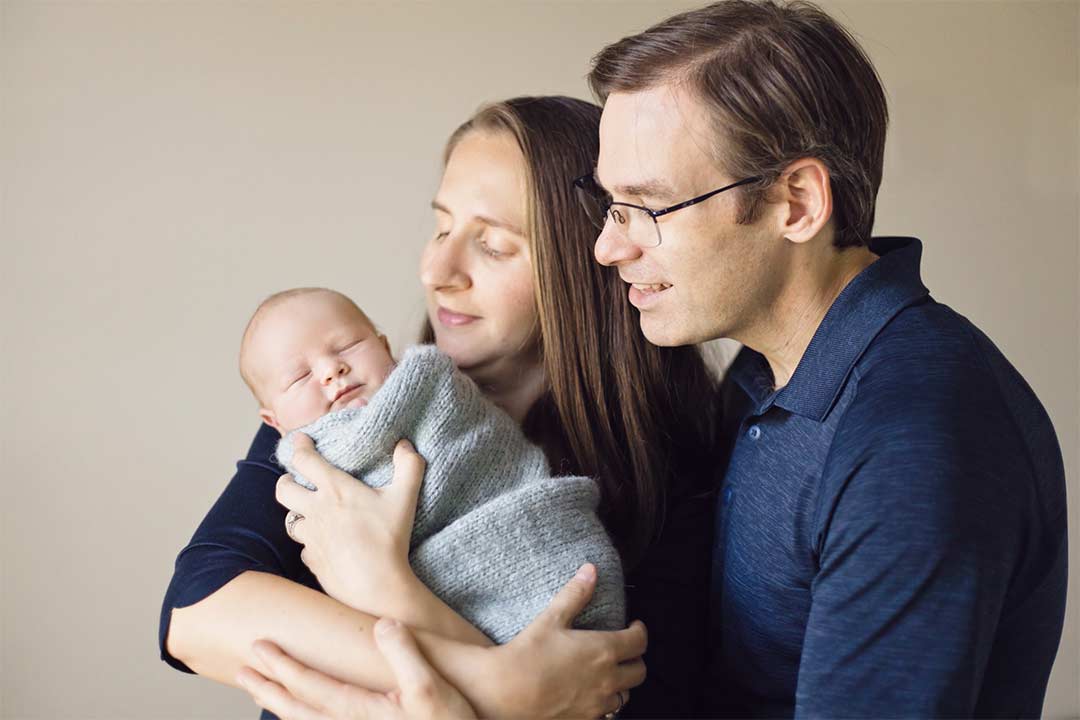
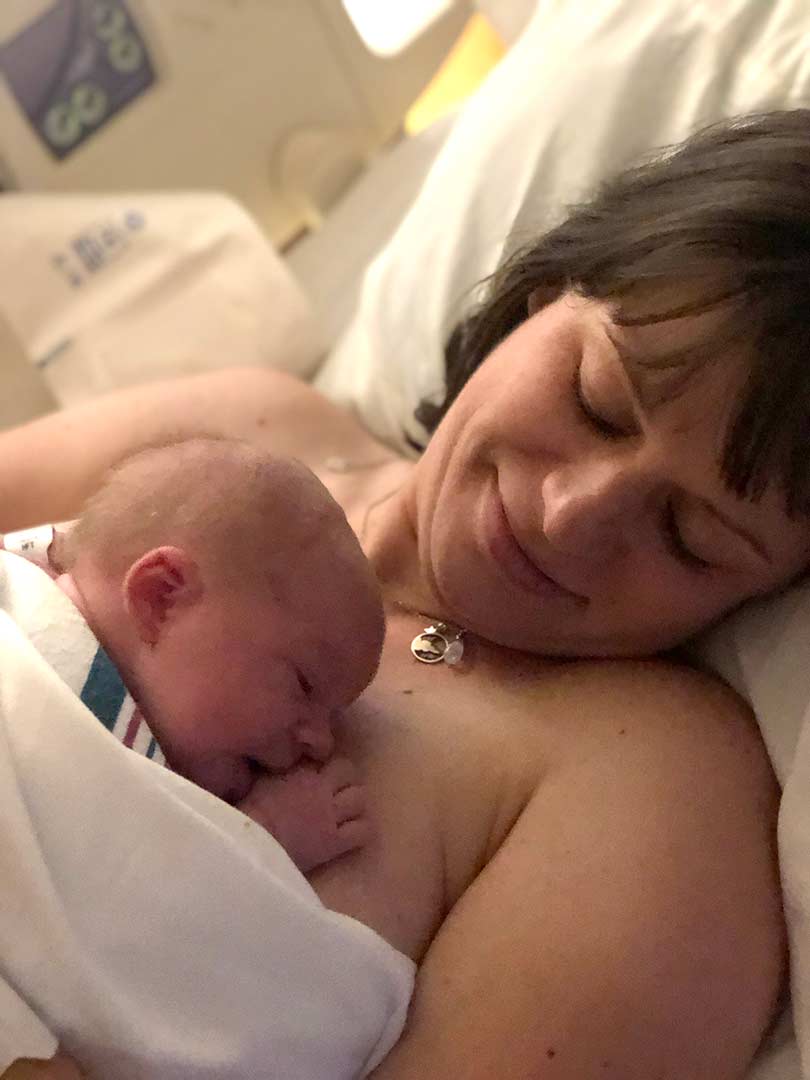
Words can’t begin to express how much Kim meant to us as our Doula.My husband and I were first time parents and had taken a more natural online birth class that really opened our eyes to what a natural/unmedicated birth was, and knew getting a Doula would be extremely helpful.We got the name of Kim, who gave us a call to just chat, and we hit it off from the very first phone call.She was so easy to talk to and we knew she would be a great fit for us.We expressed to her that our goal was to have a natural, unmedicated childbirth, but were nervous as the only place our insurance would cover a delivery was in a hospital setting, where we knew the cascade of interventions would be prevalent and within arms reach. We are strong willed people, but having someone else to advocate for us in that hospital setting was a must for us.We met a few times in person to get to know each other better and to go over our birth plan, any questions we had, and any helpful tools she was able to give us to prepare for this birth. She was always very helpful with our questions or concerns.The evening came where I felt my first contraction. I labored at home from 10 PM Monday until about 5PM Tuesday when we all decided I should probably go to the hospital as I was feeling pushy. Long story short, I labored until 10:35 PM on Wednesday and pushed for 3.5 hours until our son was born at 2:03AM on Thursday. Kim was such a trooper and helped us get through a 52 hour labor and delivery with no pain medication. She not only helped with different coping mechanisms, but was able to go out and get my husband food so he could keep his strength up to help me, and was our extra set of eyes and ears to help with any questions we had. I truly believe Kim was the reason I was able to labor and deliver naturally for that long of a period.Oh and side note...my husband had an emergency appendectomy the day after the delivery. Kim was done with another appointment and texted to check up on me. When she heard my husband was in surgery, she asked if she could come help hold our son so I could get some rest. We truly cannot thank her enough for all she did for us, she truly went above and beyond the call of duty.Michael and Chelsea Layne